The Center for Women’s Resources (CWR) joins women and peoples around the world in a global day of action to remember the victims and survivors of war and in demanding justice for “comfort women”. The Japanese Imperial Army’s “comfort women” system remains one of the clearest examples of state-sanctioned military sexual slavery. Yet even more than 80 years after the end of World War II, survivors in the Philippines and across Asia continue to await genuine justice, including an official apology, reparations, and recognition of their history.
CWR condemns Japan’s continuing historical revisionism and its growing remilitarization, including its expanding military cooperation with the Philippines through the Philippine-Japanese Reciprocal Access Agreement. The strengthening of military alliances and foreign military access must not come at the expense of women’s rights, community safety, and national sovereignty.
Militarization does not bring genuine security for women and communities. Instead, it deepens violence, displacement, and insecurity. The legacy of military sexual violence in the Philippines stretches from the abuses committed by the Japanese Imperial Army during World War II, to the documented history of violence surrounding US military bases, and to present-day reports of cases of displacement, harassment, exploitation, and sexual violence in militarized communities. Across these periods, women have borne a disproportionate share of the social and economic costs of militarization.
The Philippine government’s continued increase in military spending, alongside agreements and financing arrangements that expand the presence and access of foreign militaries, raises serious concerns about the safety and welfare of Filipino women and their communities. Militarization diverts public resources away from essential social services while creating environments where women and other vulnerable sectors may face heightened risks of abuse and exploitation.
Last year, the United States government approved a $2.5 billion Foreign Military Financing (FMF) grant package for the Philippines covering fiscal years 2026 to 2030, amounting to roughly $500 million annually. At the same time, the Marcos Jr. administration is alloting ₱452.4 billion for military spending in 2027, a 6.8% increase from the previous year’s military budget. CWR calls into question how these massive allocations for military expansion will further affect communities already facing poverty, displacement, and insecurity, and warns that increased militarization can further expose women to harassment, trafficking, sexual violence, and other forms of abuse.
The commemoration of the victims and survivors of World War II must not be reduced to remembering the past while ignoring the conditions that continue to enable military violence against women today. The experiences of “comfort women” survivors remind us that women’s bodies have repeatedly been treated as instruments of war and militarization.
CWR calls for an end to militarization, imperialist wars, and all forms of military sexual violence. We demand justice for the comfort women and accountability from states responsible for wartime and military sexual violence, including meaningful reparations, official recognition, and guarantees that such abuses will not be repeated.
We reject the use of women’s bodies and communities as collateral in military alliances and war economies. Public funds must serve the people, not the expansion of military power and foreign military interests. Genuine peace requires social justice, women’s rights, accountability, and respect for national sovereignty, not ever-increasing military budgets and foreign military presence. #
Solidarity
Hands Off Jacq Ruiz! Defend the Right to Organize and Protest!
The Center for Women’s Resources (CWR) expresses its solidarity with veteran child rights advocate and woman labor organizer Jacqueline “Jacq” Ruiz of the Kilusan ng Manggagawang Kababaihan (KMK or Women Workers’ Movement) and Jerome Adonis, Chairperson of Kilusang Mayo Uno (KMU or May First Movement), following the issuance of warrants of arrest against them in connection with a workers’ rights protest on May 1, 2026.
We reaffirm that the rights to peaceful assembly, freedom of expression, and freedom of association are fundamental democratic rights. The right of workers to organize, collectively bargain and engage in peaceful collective action are protected under Philippine law and international human rights standards.
The filing of charges under Article 153 of the Philippine Revised Penal Code in relation to alleged public disturbances, is deeply concerning. The use of criminal charges against workers and their advocates for exercising their legitimate democratic rights constitutes judicial harassment and contributes to the broader criminalization of labor organizing, protest, and dissent.
Workers’ demands for decent wages, secure employment, safe workplaces and dignified working conditions are not threats to public order. They are legitimate demands rooted in the basic rights and aspirations of working people. Peaceful protest is not a crime, and raising one’s voice against unjust conditions should never be grounds for persecution.
What truly threatens the welfare and security of working people is a system that continues to leave millions struggling with low wages, precarious employment, rising costs of living and declining living conditions– while those who challenge these conditions are harassed, intimidated and criminalized. The criminalization of labor leaders and advocates does not address the conditions that drive the workers to protest. Instead, it suppresses the voices that call attention to these injustices.
We are particularly concerned by the targeting of Jacq as a woman labor organizer. Women workers experience exploitation and violations of their labor rights while continuing to shoulder a disproportionate share of care responsibilities. Women’s organizations and women workers’ groups play a vital role in organizing communities, asserting labor rights, and challenging the conditions that perpetuate inequality in workplaces, communities , and society.
The criminalization of women organizers carries a distinct and gendered impact. It threatens not only their safety, security, and freedom, but also creates a chilling effect on women’s participation in collective action. Jacq’s decades of advocacy for children’s and women’s rights, as well as her organizing for workers and vulnerable communities, should never be weaponized against her. Her long-standing commitment to defending the rights of others is not a crime.
It is deeply unbecoming of a government that presents itself as a champion of women’s rights and labor rights to respond to women workers and labor organizers with harassment, criminalization, and judicial persecution. The treatment of Jacq, Jerome, and other labor organizers exposes the widening gap between the government’s rhetoric and its actions.
More seriously, these actions expose the government’s increasingly repressive and authoritarian approach to dissent. A government that claims to uphold women’s and workers’ rights must protect those who exercise these rights—not punish them.
CWR stands firmly with Jacq, Jerome, and all workers and organizers facing harassment and persecution for exercising their fundamental rights. We demand the immediate withdrawal of the charges against them and an end to the judicial harassment of labor leaders, activists, and human rights defenders in the Philippines.
We call on our networks, allies, and human rights organizations to stand in solidarity with Jacq, Jerome, and all workers and organizers facing criminalization for defending their rights. #
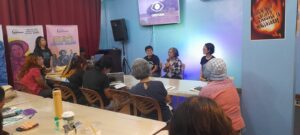
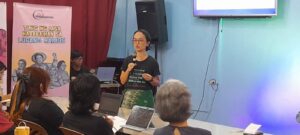
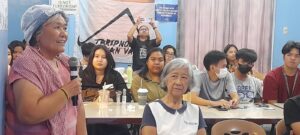
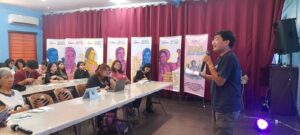
MULAT Solidarity Activity
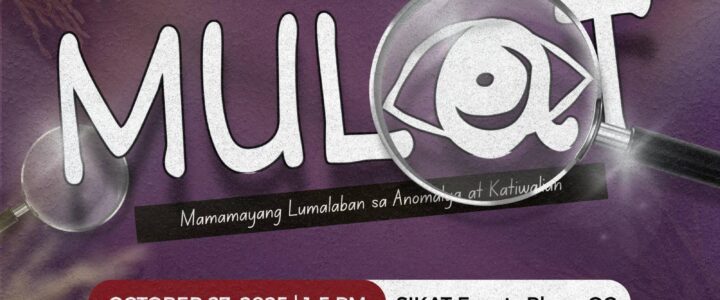
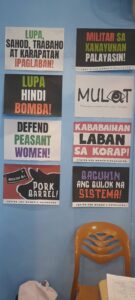
Mamamayang Lumalaban sa Anomalya at Katiwalian (MULAT) is a campaign initiative that seeks to open the public’s eyes to the systemic roots of corruption through interactive, cultural, and educational activities across diverse spaces. The campaign aims to educate, amplify women’s voices, and inspire collective action toward justice and accountability.
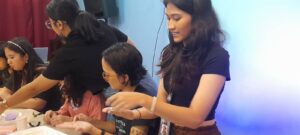
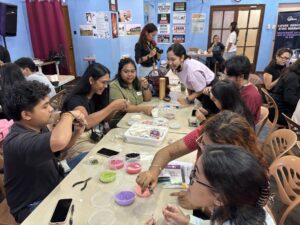
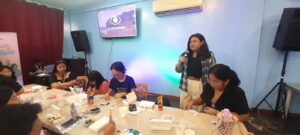
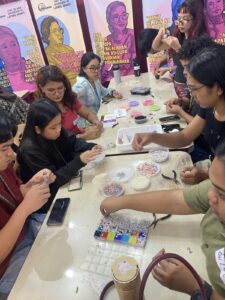
CWR in partnership with Amihan Federation of Peasant Women, Rural Women’s Advocates, Taripnong Cagayan Valley held a solidarity event featuring grassroots speakers discussing the impacts of corruption on peasant women and followed by a jewelry-making workshop as a creative act of solidarity and empowerment.
The event was held October 27, 2025 at SIKAT events place and participated by students, women from different organizations and academe.




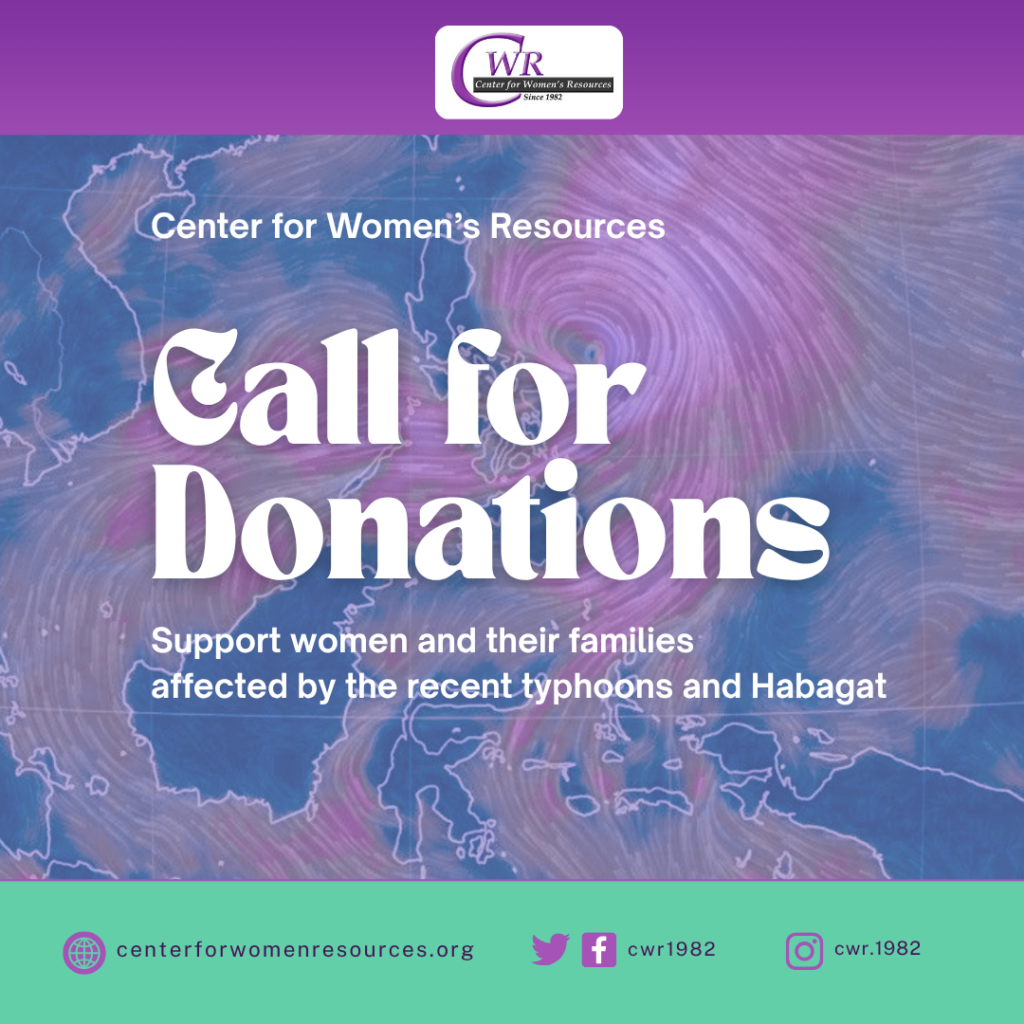
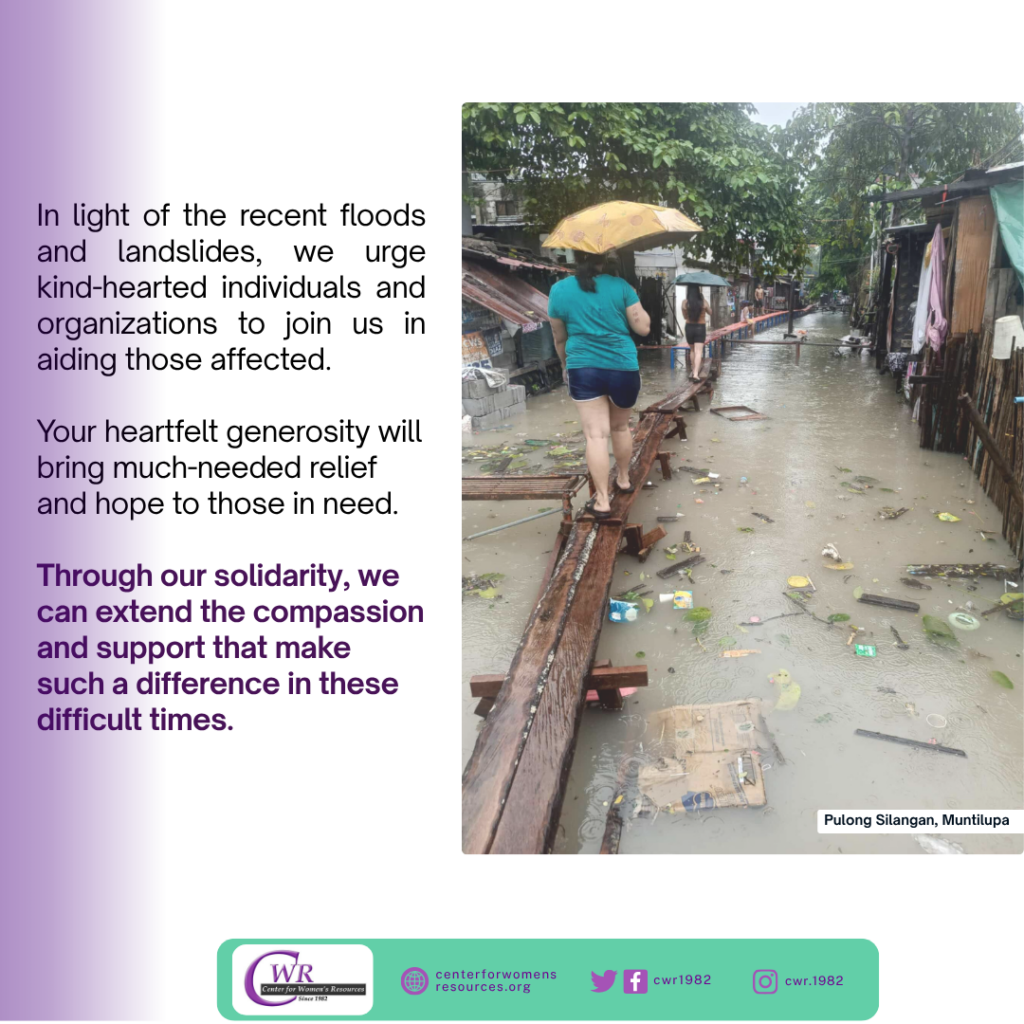
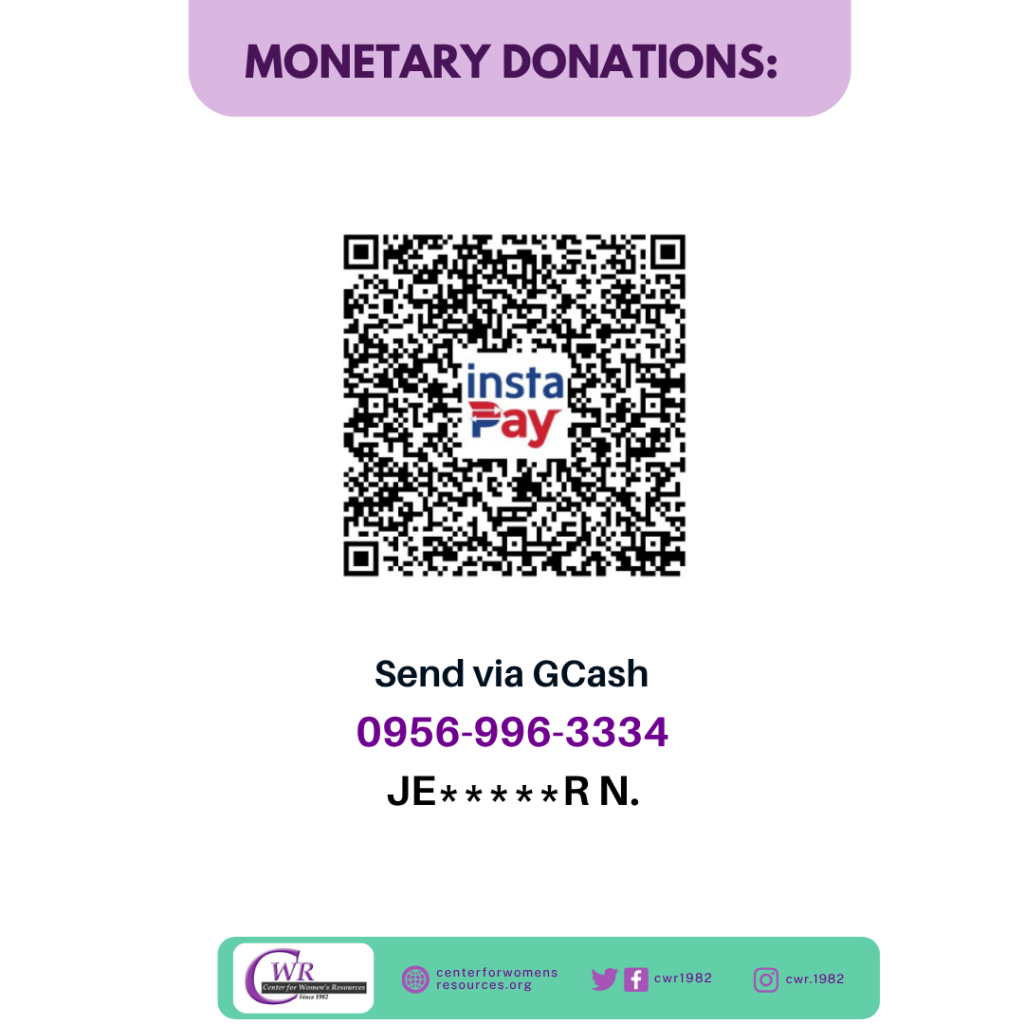
CALL FOR DONATION! Support women and their families affected by the recent typhoons and Habagat!
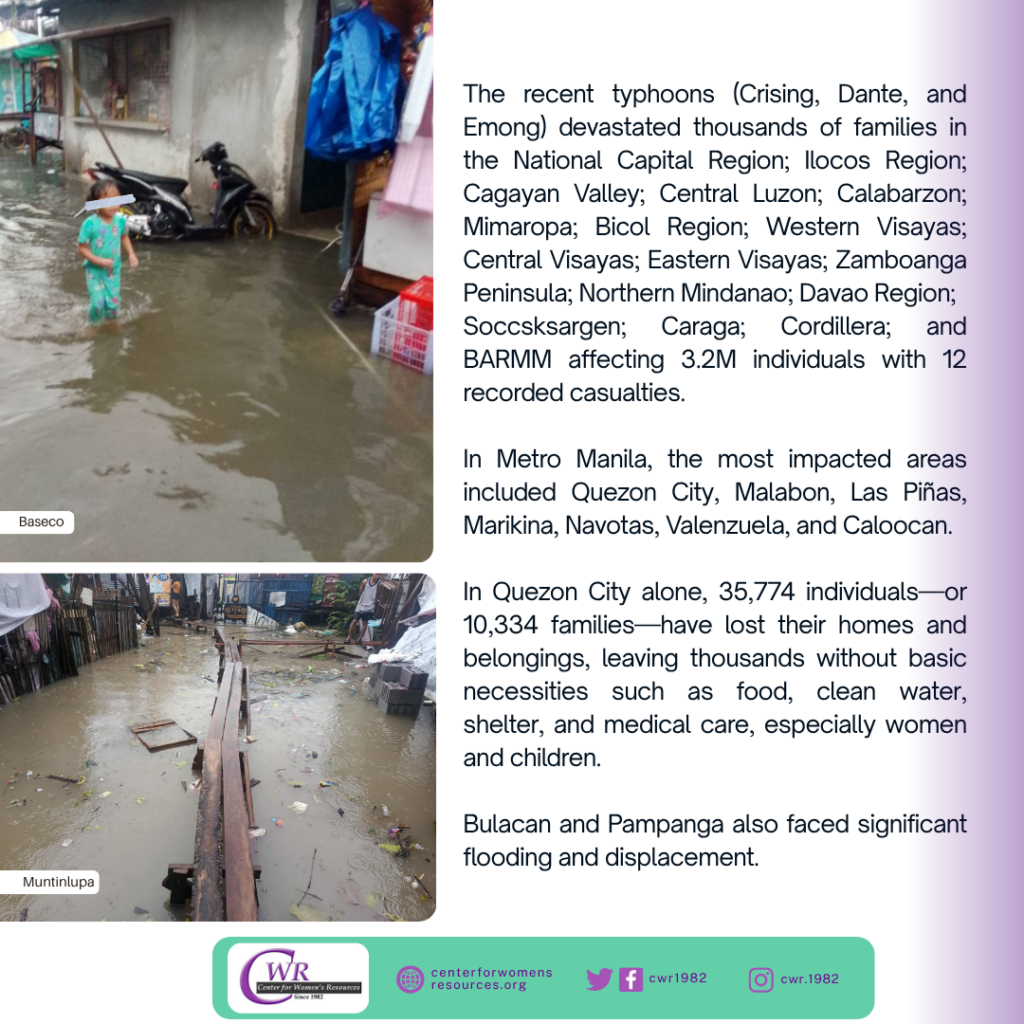
We are reaching out on behalf of the victims of the recent typhoons Crising, Dante, and Emong, that devastated thousands of families that have lost their homes and belongings, leaving thousands without basic necessities such as food, clean water, shelter, and medical care, especially women and children.
Let us unite in championing better, comprehensive, and systemically sustainable solutions to mitigate floods and disasters, while also safeguarding women’s human rights and fostering development.

#CrisingPH#ReliefPH#CommunitySupport#DisasterRelief#disasterreliefefforts
Gabriela Women’s Party, a legislative champion of women’s demands
Women’s rights and welfare are at stake in every election. Amidst a worsening economic crisis that severely impacts women—marked by rising prices of basic commodities, unemployment, low wages, rampant discrimination, and violence against women (VAW)—it is vital to ensure genuine women’s representation in Congress.
However, grassroots women are now facing a serious threat to their representation in parliament. The Gabriela Women’s Party (GWP), which has advocated for women’s rights in Congress for the past 21 years, has lost its seat. Throughout this time, GWP has maintained a consultative and inclusive approach, amplifying the voices of grassroots women and collaborating closely with institutions like the Center for Women’s Resources (CWR). Due to an electoral process marred by questions and irregularities, GWP has ended its 21-year congressional streak.
But the fight for women’s rights continues; it is far from over. To understand why a women’s sectoral party is absolutely essential, we must look at the legislation Gabriela has pushed and championed—laws that specifically address issues affecting women and marginalized groups.
In April 2025, before the midterm elections, CWR released a survey on women’s political participation, where women voters were asked what national and women’s issues they think candidates seeking office should address.
Results revealed that economic issues are women’s primary concern (61.35%), followed by the lack of social services particularly on health and education (29.26%). With regards to women’s issues, addressing gender-based abuse and VAW emerged as a top concern (28.9%), along with the respect and recognition of women’s rights and non-discrimination (15.1%).
Back in 2016, women presented a call for “CHANGE”—Comprehensive social services, Human rights, peace and social justice, Anti-discrimination and Violence Against Women and Children, National sovereignty, Genuine land reform and National Industrialization, and Environmental protection.
Bearing these calls in mind, Gabriela actively crafted bills and advanced laws that directly benefit women and other marginalized groups.
WOMEN’S AGENDA: Comprehensive social services
Social services and social welfare programs are essential in a feudal-patriarchal society where women are primarily expected to take care of the family. However, Filipino women still lack access to social services.
Due to budget misprioritization and corruption, the maternal mortality rate remains high, and the number of teenage pregnancies continues to surge. In 2023, 1,868 maternal deaths were recorded. That same year, the Philippine Statistics Authority (PSA) reported 142,276 teenage pregnancy cases. Of this number, 3,343 were the result of statutory rape.
In addressing these challenges, GWP pushed for the passage of the following landmark laws:
- RA 11210 or the Expanded Maternity Law (Principal author)
- RA 11861 or the Expanded Solo Parents Welfare Act (Principal author)
GWP also continues to call for the full implementation of Comprehensive Sexuality Education (CSE) and the immediate passage of the Prevention of Adolescent Pregnancy Bill.
WOMEN’S AGENDA: Anti-discrimination and Violence Against Women and Children
Filipino women are extremely vulnerable to violence, especially amidst a worsening economic crisis. According to the Philippine National Police (PNP), there were 12,046 cases of various types of violence against women from January to November 2024—a conservative figure due to the serious underreporting of VAW. This means that an estimated 36 women per day experienced violence during the said year.
Recognizing the urgent need to protect women and victim survivors, GWP sought the approval of the following laws:
- RA 9262 or the Anti-VAWC Law of 2004 (Co-author)
- RA 11648 or the End Child Rape Law
- RA 9775 or the Anti-Child Pornography Act of 2009 (Co-author)
- RA 11313 or the Safe Spaces Act (Principal author)
- HB 8009 – Anti-VAWC Law amendment (inclusion of Electronic VAW and penalty increase)
- Adoption of House Resolution No. 650 for the ratification of ILO Convention 190 that seeks to eliminate violence and harassment in the world of work
GWP has also persistently fought for the rights of women and the LGBTQI+ community. It continues to advocate for the passage of the SOGIESC Equality Bill and the Absolute Divorce Bill which has been approved on the third and final reading in the House of Representatives. It also co-authored RA 9710 or the Magna Carta of Women.
In addition to these laws, GWP also championed the following legislation in support of CHANGE:
- RA 11058 or the Occupational Safety and Health Law
- Magna Carta for Daycare Workers (House approved)
It also continues to call for the removal of regressive taxes that put additional burden on women such as the Value Added Tax, Excise Tax, and the Oil Deregulation Law. GWP also seeks to abolish the Rice Tariffication Law. Furthermore, it continues to advocate for genuine agrarian reform, national industrialization, and the implementation of the ₱1,200 national minimum wage based on the computed Family Living Wage—not band-aid solutions, but structural changes for the long-term benefit of women and the people.
Nearly a decade later, the demand for genuine change from women remains strong, as substantiated by the current status of women and the findings of CWR’s latest survey. Since winning a seat in Congress in 2004, GWP has consistently amplified women’s calls by advancing legislative efforts that have led to several landmark laws.
Coming from the people’s movement itself, Gabriela understands the deeply rooted ills of society that bar women from truly advancing. Without their representation, women risk losing their space, especially in a political environment that deliberately discriminates against, marginalizes, and stifles women’s voices.
CWR stands in solidarity with the Gabriela Women’s Party in their fight for women’s rights and welfare inside and outside Congress.