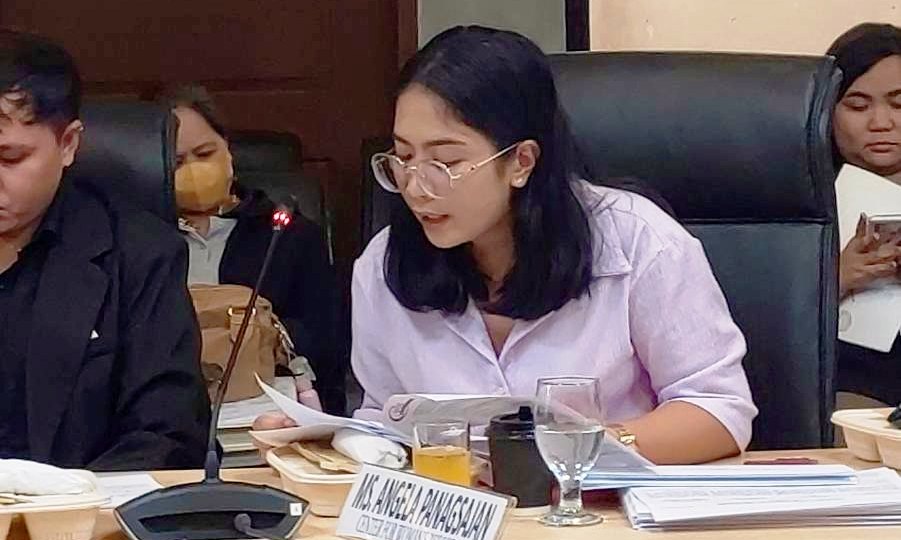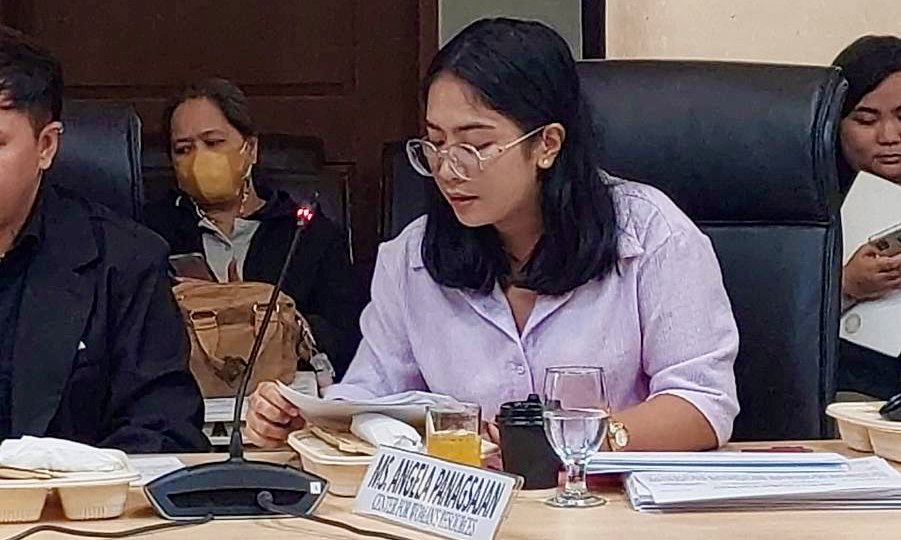
📢 CWR at the 2nd PUP Women’s Forum

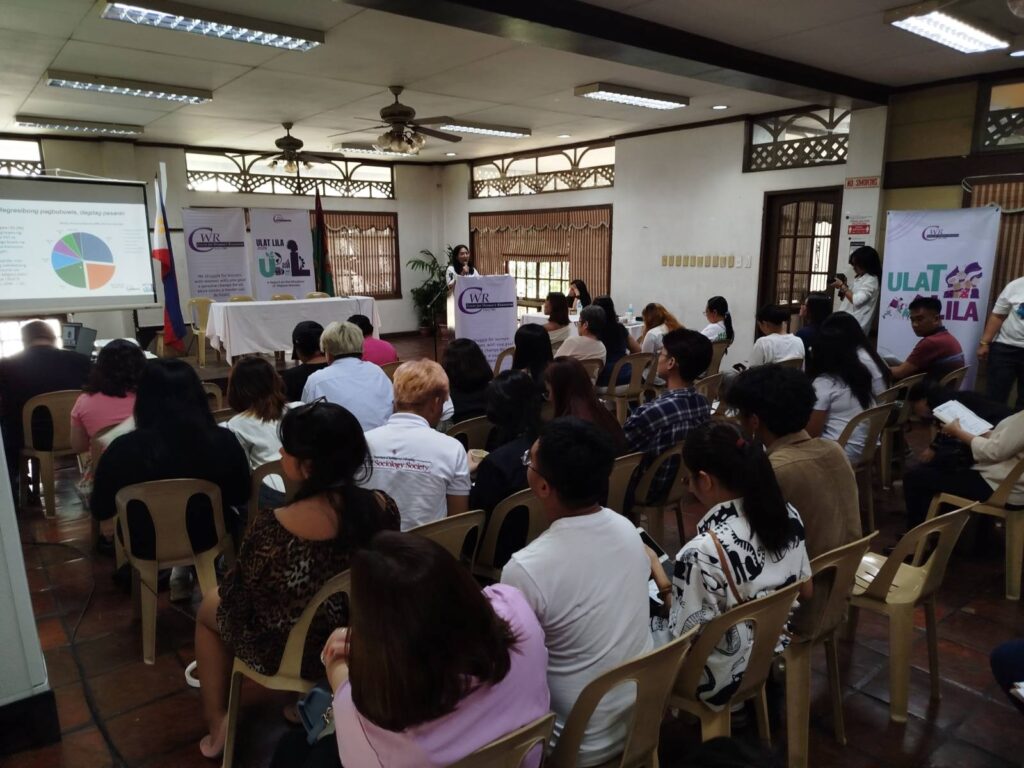
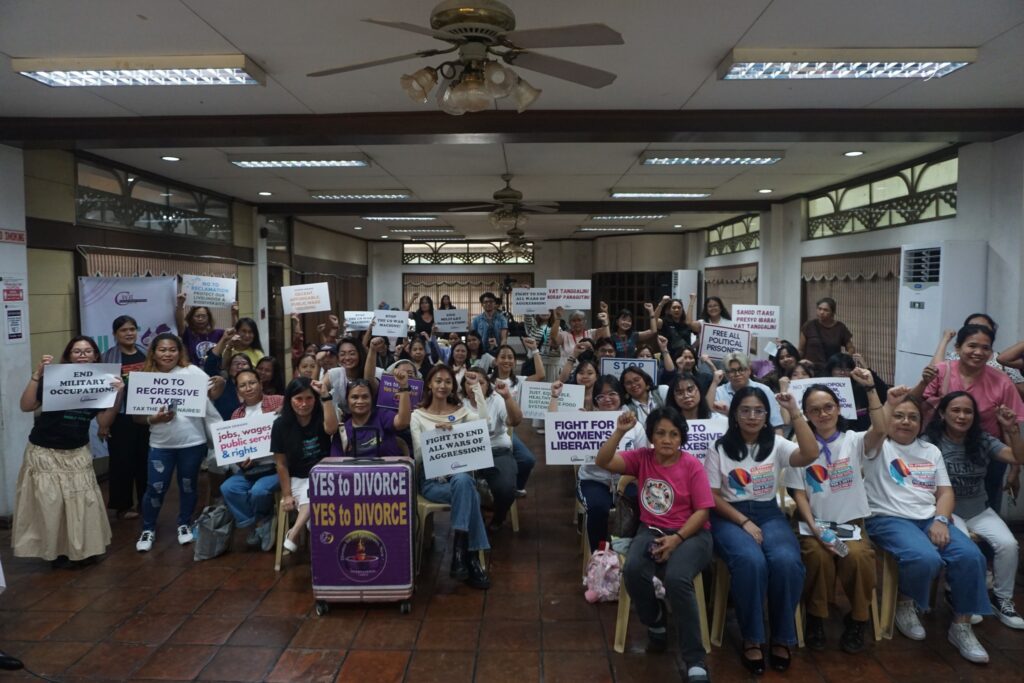
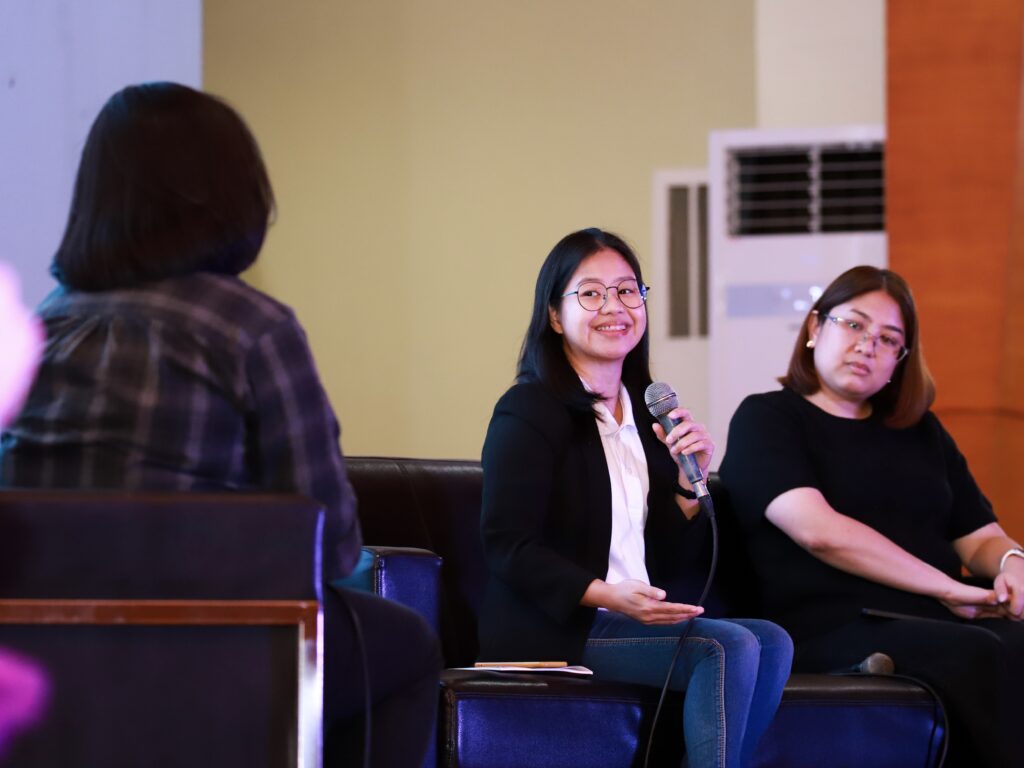
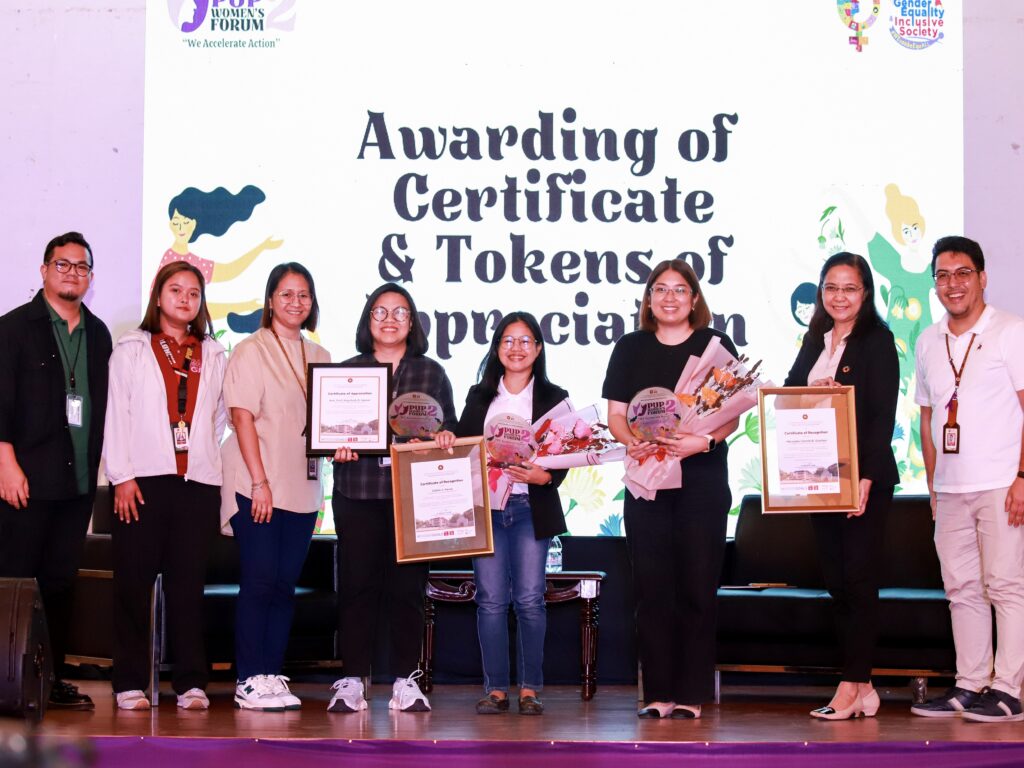
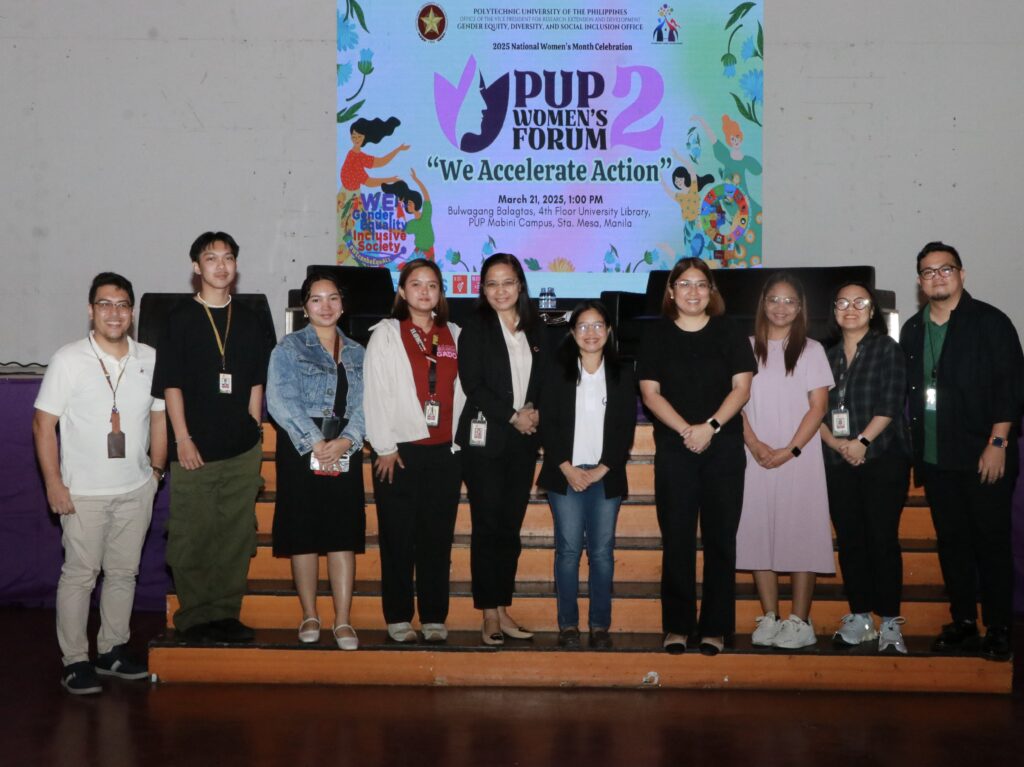
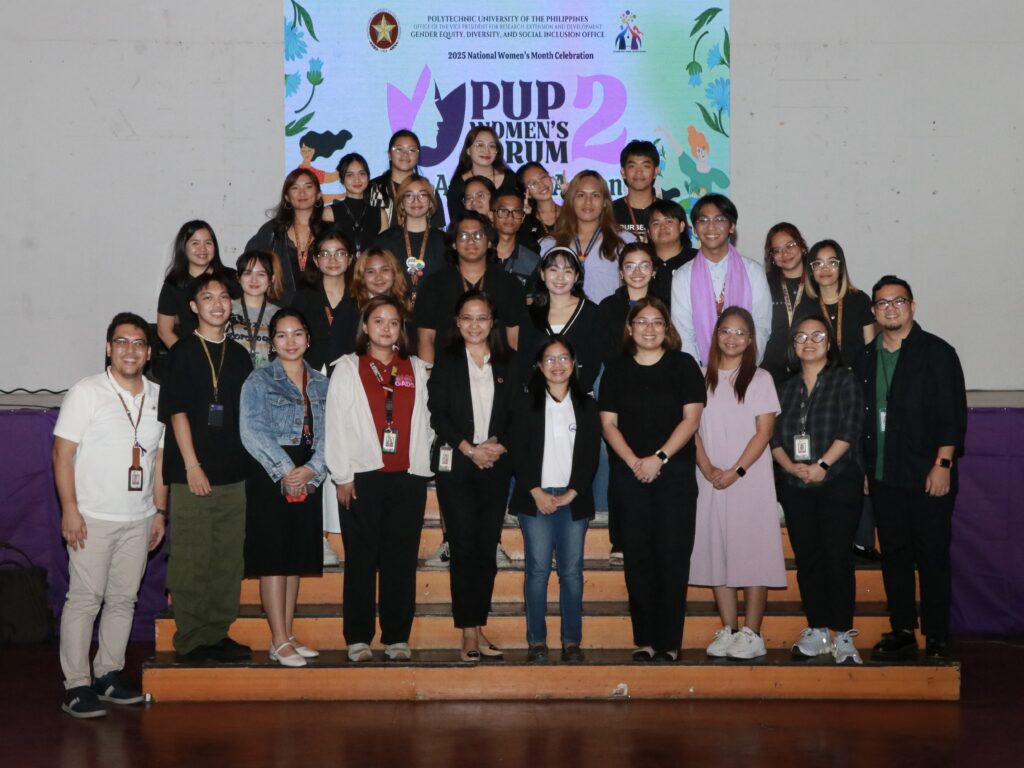
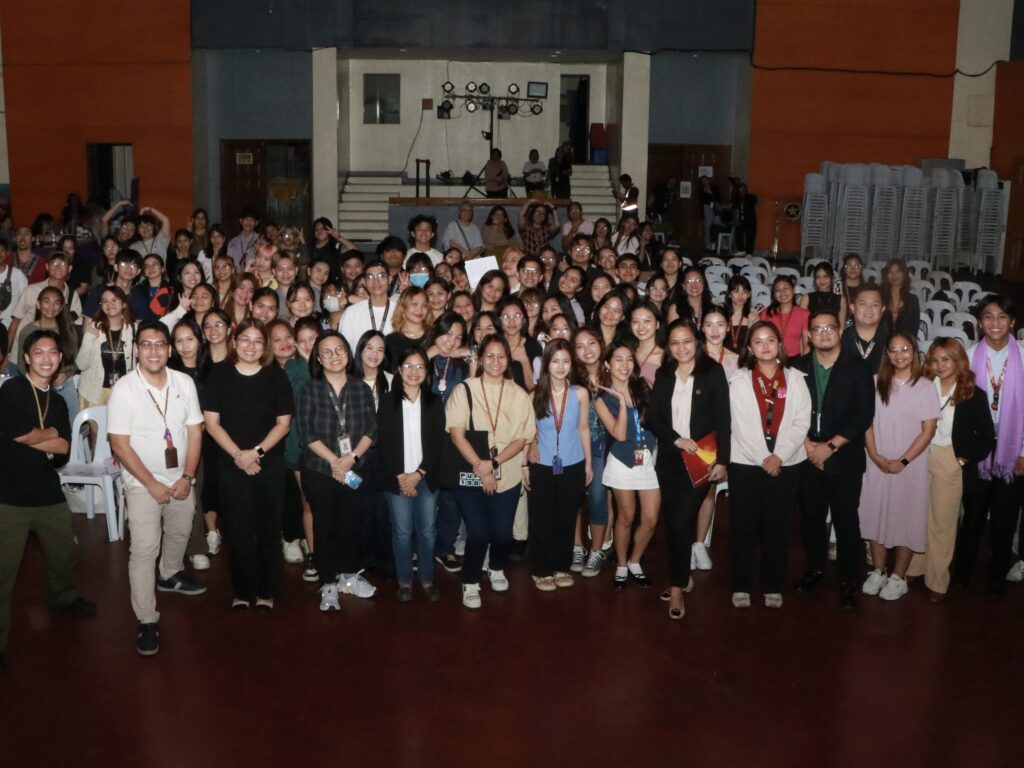
In celebration of the National Women’s Month, the PUP Gender and Development Office hosted the 2nd PUP Women’s Forum last March 21, 2025, at Bulwagang Balagtas, PUP University Library.

With the theme “WE Accelerate Action”, the forum gathered women leaders from various institutions and organizations who shared their experiences, insights, and advocacy work—driving meaningful conversations on gender equality and collective empowerment.

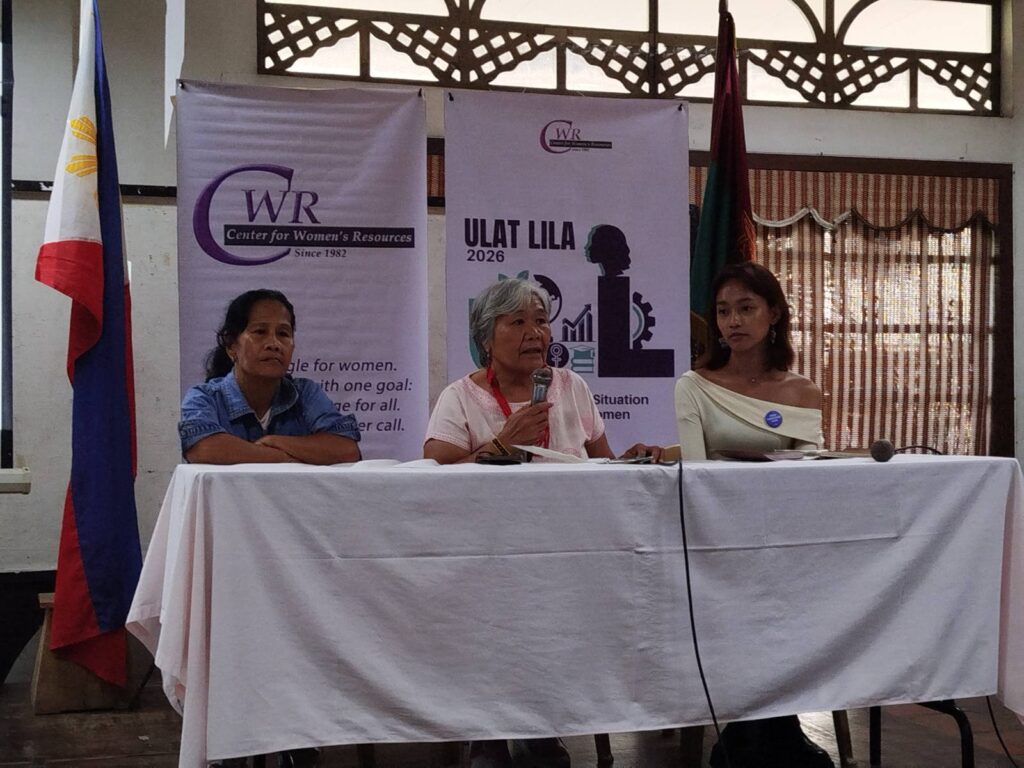
CWR’s Executive Director Cham Perez took part in the forum to share about CWR’s work and its continued commitment to support women’s movement building in the Philippines.

📸 PUP Gender and Development Office

Countering PH hunger means rural women reclaiming productive resources

Countering PH hunger means rural women reclaiming productive resources

On the occasion of Rural Women’s Day and World Food Day, the Center for Women’s Resources salutes rural women who are the backbone of our food systems. Despite their vital role in the agricultural sector and in the country’s economy, farmers and fisherfolk remain the poorest sector.

Half of the population in rural areas are women, including peasants, agricultural workers, settlers, small fisherfolk and the national minority. Their fight for access and control over productive resources, such as land, remains an ongoing struggle. According to the Kilusang Magbubukid ng Pilipinas (KMP), seven to nine out of 10 farming families do not own the land they cultivate. Large parcels of land continue to be concentrated in the hands of a few landlords and corporations, while land grabbing and land use conversion remains pervasive. 

Thus, despite decades of land reform programs, women can hardly have access and control over land. Among the small number of farmers who are holding emancipation patents (EPs) and certificates of land ownership awards (CLOAs), women significantly trail behind men. Of the total 517,304 EP holders, merely 18.59% (96,142) are women. As for CLOA holders, only 31.12% (633,314) are women out of a total of 2,034,851 CLOA holders.

Massive landlessness among the farmers coupled with agricultural liberalization directly impacts food security. Local food production is necessary to address the basic food needs of the country, and yet, we have not seen any significant state support to ensure a robust food system. This has then led to increased food insecurity and hunger. 

According to the Food and Agriculture Organization (FAO), 5.3 million Filipinos are severely food insecure and 48 million are moderately or severely food insecure from 2019 to 2021. Due to increasing food prices, Filipinos could hardly afford a healthy diet. A healthy diet in the Philippines was pegged at P238.9 (USD 4.05) in 2019 which increased to P242.53 (USD 4.11) in 2020. This results in 68.6% or 75.2 million of the country’s total population who cannot afford a healthy diet. If the state focuses its efforts in strengthening the production of local small-scale farmers and fisherfolk, importation of agricultural and food products from foreign countries can then be reduced.

Implementing the Rice Liberalization Law (RLL), Agriculture & Fisheries Modernization Act (AFMA), agricultural liberalization, and entering the World Trade Organization (WTO) Agreement on Agriculture has resulted to the persistent food, economic, and development crisis, proving the failure of neoliberal policies in addressing the agricultural crisis of the country.

Such policies allow the uncontrolled importation of agricultural goods that local food producers are unable to compete with. They then are forced to sell their produce at such a low price causing bankruptcy and drowning them further in debt. Worse, Pres. Marcos Jr. allowed the ratification of the Regional Comprehensive Economic Partnership (RCEP), a mega free trade deal that will further devastate local agriculture.

Despite this, the farmers and fisherfolk lack no initiative in reclaiming their right to access and control over productive resources. Rural women continue to embark in community and collective initiatives, even while confronting harassment and threats as they strive to regain ownership of estates they cultivate. They face threats of demolition, arrests, and other forms of harassment from police authorities and security forces.

This Rural Women’s Day and World Food Day, we reiterate our demand for state accountability in addressing the worsening agricultural and food crisis in the country. We challenge the Marcos Jr. administration to decisively turn its back against  liberalization policies and to support local food production by ensuring the full ownership and control of farmers and fisherfolk over the land and other resources. Importantly, we call on all Filipinos to support the plight of our food producers, join them in their fight for land, rights, and justice — only then can we ensure bountiful and healthy lives for all.

Alternative report submitted to the Office of the High Commissioner on Human Rights in relation to the 9th periodic report of the Philippines in the Committee on the Elimination of Discrimination against Women

This report underscores a sobering reality: despite commitments and legislative measures, Filipino women continue to face challenges. Neoliberal development policies of liberalization, privatization, and deregulation, along with state repression, have contributed to the patterns of violations encroach upon women’s economic, social, cultural, civil, and political rights. From state neglect to direct state attacks, women are confronted with setbacks in their pursuit of gender equality and women’s human rights. Furthermore, the COVID-19 pandemic has exacerbated pre-existing inequalities and discrimination, adding to the adversities endured by Filipino women.